
The best Python Course in Kochi, Kerala. Our industry-focused Python Course gives you the foundation to start a successful programming career. This professional Python Course is designed to help beginners and professionals build strong coding skills. Please find the complete details of our advanced Python Course below.
Batch Start Date
09th Mar 2026
Admission Closing on
07th Mar 2026
Available Seats
12 Seats
Course Duration
2 Months
Python is an easy-to-learn and powerful programming language used for web development, data analysis, artificial intelligence, automation, and software development, and a professional Python Course helps learners master these skills effectively. Its clean and readable syntax helps developers build applications faster and with less effort, which you can learn through a practical Python Course. Python supports a wide range of tasks, from creating websites to developing smart and automated systems, making a Python Course highly valuable for modern technology careers. Because of its flexibility and strong community support, Python is a popular choice for students, professionals, and businesses building modern digital solutions. Enrolling in a job-oriented Python Course helps you gain real-world programming experience, while an advanced Python Course prepares you for industry-level development. Choosing the right Python Course can help you build a strong foundation for a successful career in programming.
Our Python Course is designed to help learners master one of the most powerful and in-demand programming languages used across multiple technology fields today. This Python Course covers both fundamental and advanced concepts including variables, data types, loops, functions, object-oriented programming, file handling, and real-world problem solving to build a strong programming foundation. Through this industry-focused Python Course, students learn how Python is applied in web development, data science, automation, machine learning, and application development using popular libraries and frameworks. The Python Course curriculum includes hands-on exercises, mini-projects, and practical assignments that help learners write clean, efficient, and industry-standard code. This advanced Python Course also focuses on real-world applications and industry-relevant skills. By the end of the Python Course, students gain the confidence to build Python applications, automate tasks, and move toward specialized fields such as Django development, data analytics, or AI.
Python is widely used in web development, data science, artificial intelligence, machine learning, and automation, and a professional Python Course helps learners master these powerful applications. It helps build secure websites, analyze large datasets, and create predictive and intelligent systems. Python is also used for automation, desktop apps, cybersecurity, and scientific computing, which are key skills covered in a practical Python Course. Due to its flexibility and wide applications, Python remains one of the most in-demand programming languages today.
Used for scripting deployment processes, managing cloud resources (AWS, Azure, GCP), and integrating CI/CD pipelines.
Used as a support language for build control, testing, bug tracking, and developing software development tools.
Used to build network analysis tools, penetration testing scripts, and ethical hacking utilities.
Anyone who wants to start a career in programming or upgrade their technical skills can learn the Python course, including students, beginners, job seekers, and working professionals. Python is perfect for freshers, non-technical learners, and career switchers because of its simple syntax and beginner-friendly approach. Whether you aim to enter web development, data science, automation, machine learning, or artificial intelligence, Python provides a strong foundation.
Learning Python unlocks exciting career paths such as:
Python Developer, Software Developer, Backend Developer, Data Analyst, Data Scientist, Machine Learning Engineer, and Automation Engineer across top IT companies and startups. Python is widely used in web development, data science, artificial intelligence, machine learning, automation, and cloud-based applications, making it one of the most in-demand programming skills today. With strong Python fundamentals, learners can work on real-world projects, explore freelance and remote job opportunities, or specialize in advanced fields like Django, AI, and data analytics.
Yes, Python is very beginner-friendly and ideal for anyone starting their programming journey.
Yes, Python is widely used for web development through frameworks like Django and Flask.
Yes, Python is one of the most in-demand programming languages worldwide due to its versatility and wide industry usage.
Yes, Python is suitable for learners from any background with proper training and practice.
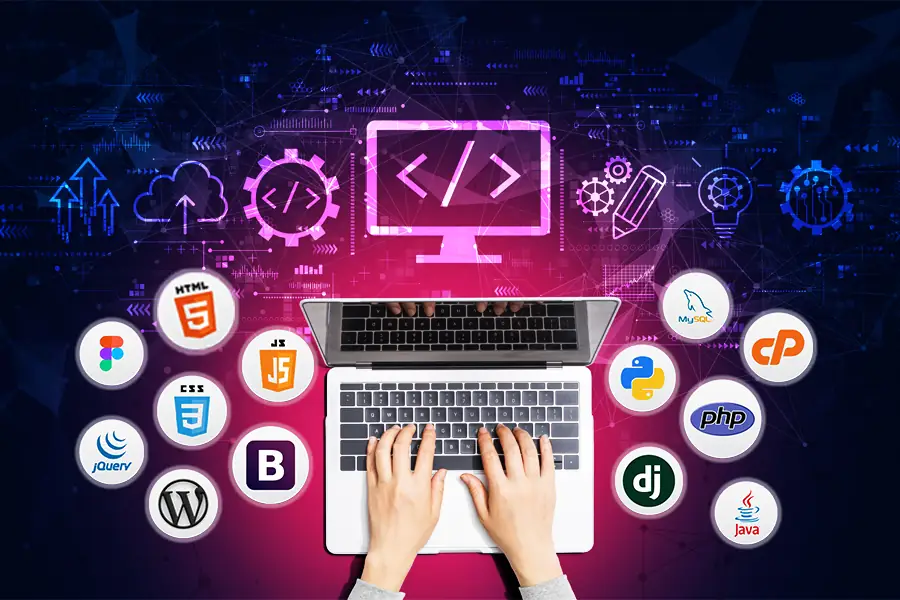
Expert in Advanced Web Design & Development
7 Months
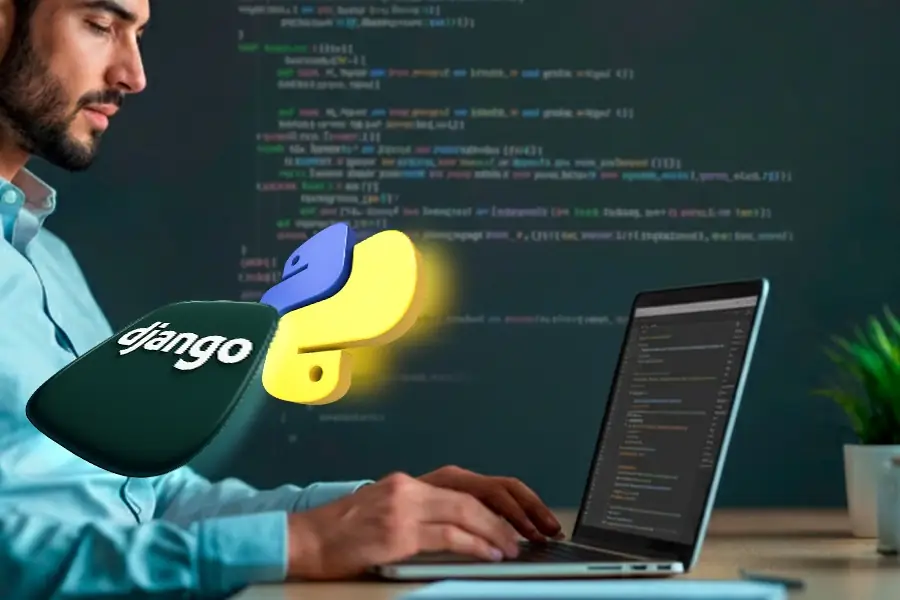
Python Django Full Stack Development
7 Months

Digital Marketing
3 Month

WordPress Web Development
1 Month & 2 Months

Graphic Design
4 Months & 6 Months
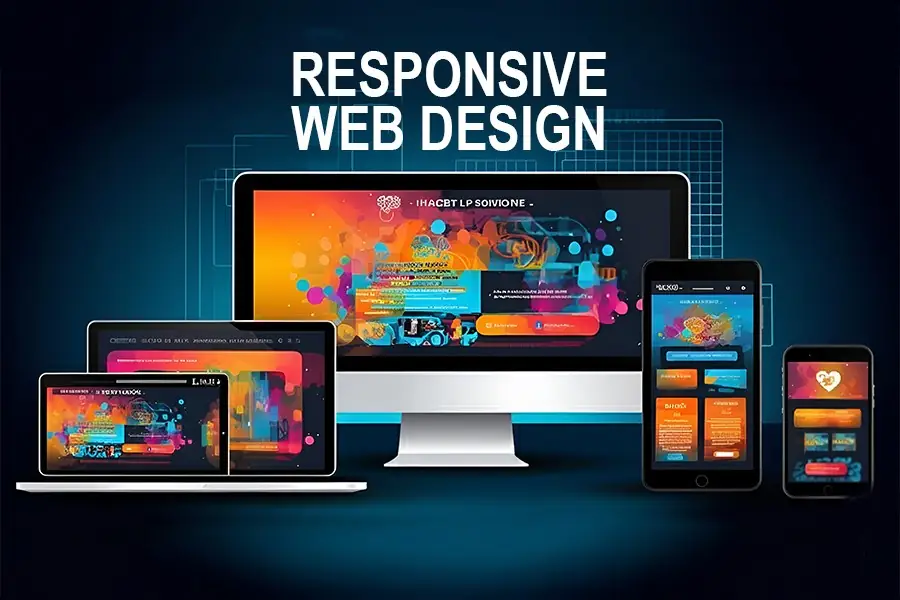
Responsive Web Designing
3 Months

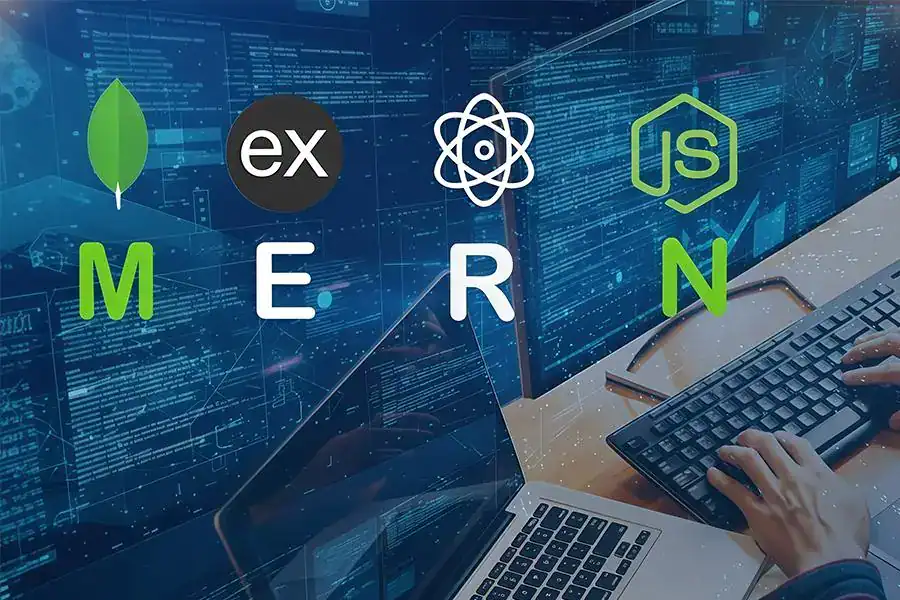
MERN Stack
7 Months
C & CPP
1 Month
53/2320-D, Opp. CKC LP School, Subhash Chandrabose Road, Ponnurunni, Vyttila, Kochi, Kerala, India – 682019
© Copyright 2026 Institute Of Web Technology. All rights reserved